Novo Nordisk Taps Anthropic Claude to Speed Drug Discovery and Cut Documentation from Months to Minutes
Published by AINave Editorial • Reviewed by Ramit
Novo Nordisk, the Danish pharma giant behind Wegovy and Ozempic, has partnered with Anthropic to use Claude Science across drug discovery, clinical documentation, and software development. The collaboration has already cut certain patient documentation tasks from months to minutes, according to the company.
Novo Nordisk Deploys Claude Science Across R&D and Documentation
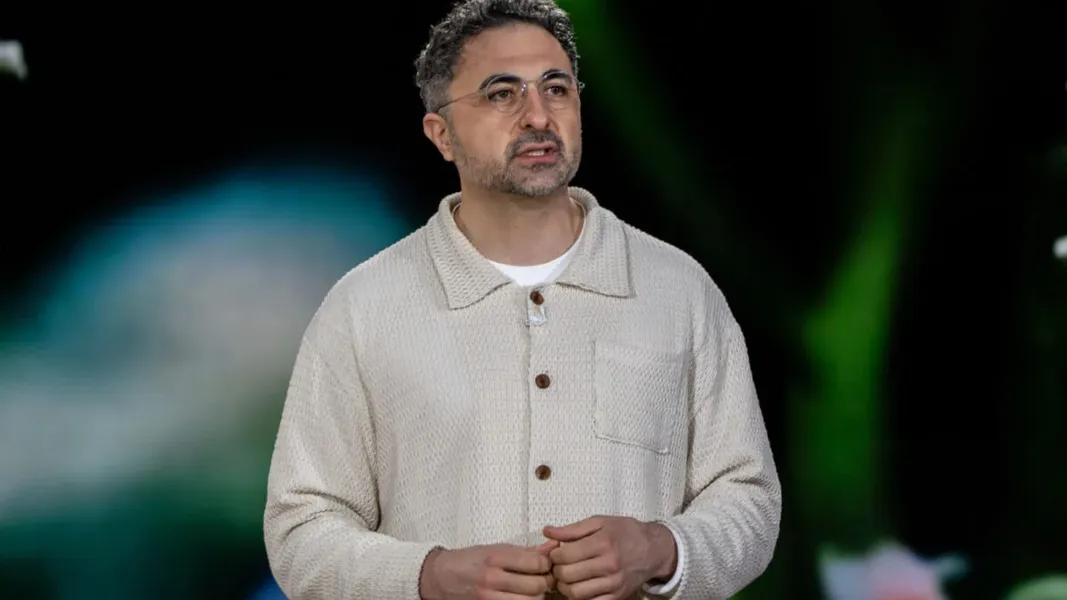
Novo Nordisk will explore how Anthropic's Claude Science can help researchers better analyze data and navigate complex questions about human biology and how drugs work. CEO Mike Doustdar said the partnership will "supercharge our R&D organization" as part of the company's goal to become the world's most AI-driven healthcare company. The companies did not disclose financial terms.
The deal follows a broader trend of pharma companies forming AI partnerships. Bristol Myers Squibb announced its own deal with Anthropic in May, while Eli Lilly, Merck, and Takeda have also struck significant AI-related agreements.
The Workflow Change That Already Happened
Novo Nordisk has already been using Claude inside an internal platform called NovoScribe to automate clinical trial reports. According to reports, the company cut clinical study documentation from over 10 weeks to about 10 minutes using Anthropic's tools. A LinkedIn post describing the workflow notes that three human experts review and refine the AI-generated draft, collapsing what would have been 50 person-months into hours of human oversight.
This is not a theoretical pilot. The company is actively using Claude to produce patient documentation that previously took months, and now takes minutes. The partnership formalizes and expands this work into drug discovery and software development.
Why This Matters for AI Builders
For teams building AI products in regulated industries, the Novo Nordisk deal is a concrete signal that domain-specific AI tooling can pass muster in pharma. Claude Science is Anthropic's workbench for life sciences, and Novo Nordisk is testing it in specific research workflows. The key takeaway is that the same model platform is being used for both documentation automation and scientific reasoning, which reduces the number of vendors and integration points.
The partnership also shows that AI can compress the path from research to marketed product, as Doustdar stated. For AI builders, this means opportunities to build similar tools for clinical operations, regulatory writing, and drug target identification.
What's Still Unknown
The financial terms of the deal were not disclosed. Reported time savings may reflect specific use cases and may not generalize across all studies or teams. Regulatory timelines for AI-assisted drug development remain uncertain, and compliance considerations will evolve as these tools are deployed more broadly.
FAQs
Sources
- Novo Nordisk Cut Patient Documentation From Months to Minutes. Now It Wants Claude to Speed Drug Research
- Anthropic launches Claude for Life Sciences to speed drug discovery...
- Novo Nordisk cuts clinical study reports from 15 weeks to 10 minutes...
- 2026 Anthropic AI for Science: John Jumper Joins, Claude Drug...
- Claude
- Novo partners with Anthropic to speed up drug development with Claude
- Novo Nordisk Taps Anthropic’s Claude to Speed Drug Discovery
- Claude
- Novo Nordisk joins forces with OpenAI to fast-track drug research
- Датский фармгигант Novo применит Claude Anthropic для...