Meta AI image detector misses cropped images it generated, revealing detection gaps for builders
Published by AINave Editorial • Reviewed by Ramit
Meta's AI image detector, previewed alongside its new Muse Image generator, failed to identify more than half of its own generated images once they were cropped, according to a Reuters analysis reported by Gizmodo. The finding underscores a critical gap for AI builders: even platform-level detection tools can break under common content manipulations, making automated verification unreliable for moderation and trust workflows.
What happened
Meta debuted its first image generation model, Muse Image, and announced an invisible watermarking system called Content Seal that the company claimed would remain intact even when images are cropped, compressed, resized, or screenshotted. To detect the watermark, Meta also previewed an AI detection tool. However, Reuters tests found that while the tool correctly identified all 40 Muse Image images as AI-generated initially, after cropping them to half or one-third of their original size, it identified only 55% as AI-generated. The detection tool struggled once the images were cropped, according to Reuters.
Separately, privacy concerns emerged when Instagram users discovered that Muse Image could use photos from any public profile without explicit consent. Meta later removed that feature, stating it "missed the mark."
Why AI builders should care
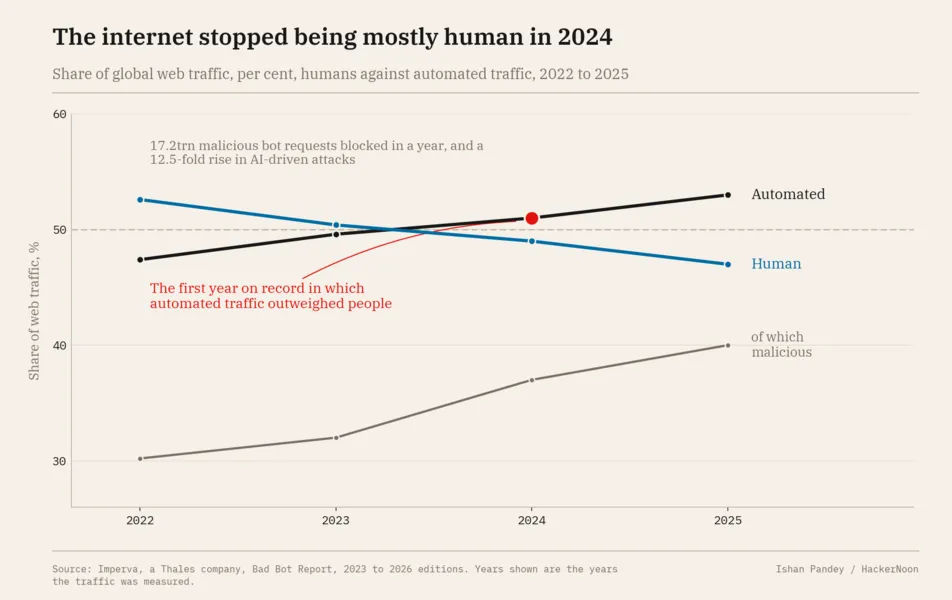
The incident illustrates a widening gap between AI generation quality and detection capabilities. According to cybersecurity firm DeepStrike, the volume of AI-generated deepfakes online has grown roughly 900% annually from 2023 to 2025, but detection tools have not kept pace. For builders shipping AI-generated content on platforms, relying solely on automated detectors for moderation or provenance verification is risky. Even Meta's own detector, designed for its own model, failed under a simple edit like cropping.
This matters for any product that ingests or displays user-generated images. If a platform cannot reliably distinguish AI-generated from real images after basic edits, trust and safety workflows break down. Builders should plan for detection failures and design layered verification strategies.
Practical implications
Detection tools may not reliably catch AI-generated content after common image edits. Developers should design verification workflows that do not rely solely on automated detectors. Consider combining watermarking with metadata checks, user reporting, and manual review for high-stakes content. For AI-generated media in products, assume that cropping, resizing, or screenshots can strip or obscure detection signals.
Meta's Content Seal was intended to persist through edits, but the Reuters test shows it did not hold up under cropping. Builders evaluating watermarking solutions should stress-test them against real-world manipulations before depending on them for compliance or moderation.
Caveats
The reported test results come from Reuters analysis as summarized by Gizmodo and other outlets. Exact detector performance figures may vary by test methodology and image type. The detection tool was previewed and may not reflect the final production version. Additionally, the privacy feature allowing Muse Image to use public profile photos has been removed, but the incident highlights ongoing tensions between AI capabilities and user consent on social platforms.
FAQs
Sources
- Meta's AI Detector Can't Detect Images It Generated Itself, Report Finds
- Meta’s AI Detector Can’t Detect Images It Generated Itself ...
- Meta's AI Detector Can't Detect Images It Generated Itself ...
- Meta AI image detector fails to identify some of its own ...
- Meta AI image detector fails to identify some of its own ...
- Google Search, Chrome, and Gemini can now detect AI-generated images
- Meta’s AI Detector Can’t Detect Images It Generated Itself, Report...
- IMGDetector - Detect AI-generated Images
- AI Image Detector Tools: How They Work in 2026
- AI Detector: Free AI Checker for ChatGPT, Claude & GPT-5
- Meta's New AI Image Generator Can Pull Anyone's Instagram Photos...
- Meta AI image detector fails to identify some of its own cropped AI images, Reuters analysis finds
- Meta built an AI detection tool to ID images and video created with its new models
- Meta AI image detector fails to identify some of its own ...
- Meta AI image detector fails to identify some of its own ...