As AI data centers surge, regulators and utilities grapple with clean-energy rules and grid access
Published by AINave Editorial • Reviewed by Ramit
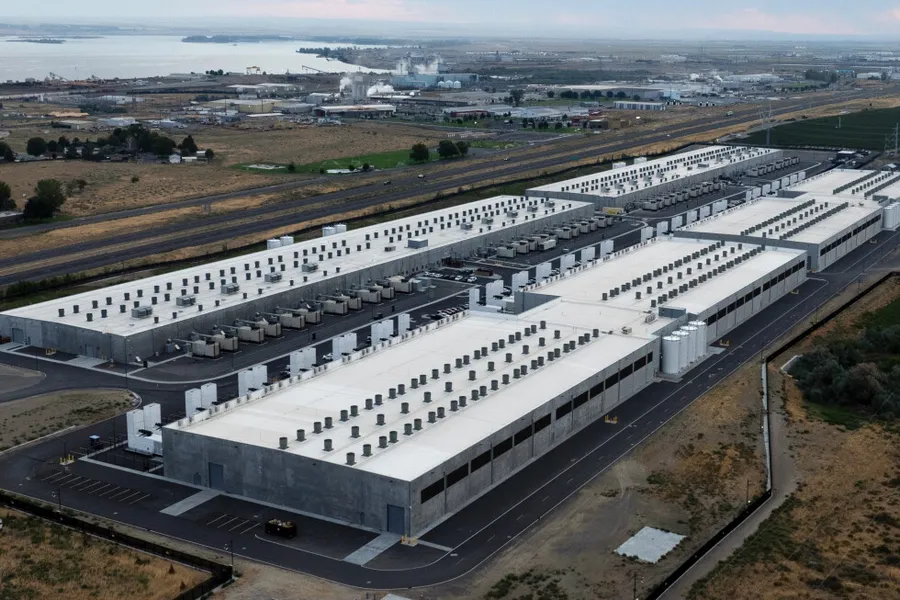
AI data centers are consuming power at a scale that rivals mid-size cities, and the resulting demand has triggered the biggest-ever construction wave of natural gas-fired power plants. At the same time, regulators in several states are pushing back with laws that require large data centers to source 90% or more of their electricity from renewables by 2040. For AI builders, this tension between rapid deployment and clean-energy mandates will shape where data centers can be built, how power is procured, and what on-site energy projects make sense.
What happened
The AI boom has set in motion the largest construction boom of natural gas-fired power plants in history, along with efforts to keep aging coal plants running past their retirement dates. Clean energy proponents are trying to ensure that massive data centers are powered by climate-friendly sources, but wind and solar construction simply cannot keep up with the speed and scale of demand.
Lawmakers in states with strong climate policies are stepping in. Legislation on the desk of New York Governor Kathy Hochul would require data centers over a certain size to meet renewable energy benchmarks starting in 2030 and, by 2040, get at least 90% of their energy from renewable sources. Michigan, Oregon, and Minnesota have already enacted laws in the last 18 months to protect their existing requirements that electric utilities use only emissions-free energy by 2040. Michigan specifically requires hyperscale data centers to meet a 90% clean energy requirement within six years to access its lucrative sales tax exemption. Similar bills have emerged in California, Illinois, New Jersey, Pennsylvania, and Virginia.
Meanwhile, tech giants like Google are investing billions into zero-emissions projects such as solar, wind, geothermal, nuclear, and battery storage. They are also working with utilities and regulators to expand grid access for on-site clean energy. Google’s agreement with NV Energy in Nevada to connect 115 megawatts of geothermal energy was approved last year and is widely viewed as the first of its kind. Google now has similar concepts approved or under consideration in eight other states, including Indiana, Kansas, Missouri, and South Carolina. In Minnesota, Google is working to connect 1,900 megawatts of wind, solar, and battery storage through a similar program.
The Corporate Energy Buyers Association (CEBA), whose members include tech giants and large corporations, reached an agreement with Georgia Power earlier this year to allow members to build clean energy sources and connect them to the grid. They are now seeking a similar arrangement in North Carolina.
Why AI builders should care
These policy moves directly affect where and how AI data centers can operate. If you are building AI products that depend on large-scale compute, the energy mix powering your infrastructure is becoming a regulatory factor. States that require 90% renewables by 2040 or impose clean-energy benchmarks starting in 2030 will push data-center operators to partner with utilities, energy developers, or groups like CEBA to secure or finance grid-connected clean energy.
For AI builders who are not directly involved in data-center operations, these changes still matter because they influence the cost and availability of compute. If data centers face higher energy costs or regulatory hurdles in certain states, those costs may be passed down to cloud customers. On the flip side, regions that offer streamlined grid access for clean energy could become more attractive for new data-center builds, potentially lowering latency and improving reliability for AI workloads.
Practical implications
Data-center developers should explore on-site clean-energy projects to meet regulatory benchmarks or access favorable tax exemptions. Michigan’s 90% clean energy requirement for hyperscale data centers is a concrete example: meeting it unlocks a sales tax exemption that can significantly reduce operating costs.
Utilities are also adapting. Programs like the one ordered by Colorado regulators for Xcel Energy allow big power users to build clean energy projects that connect to the grid. This gives data-center operators more control over their energy supply without having to go fully off-grid. The scale of these projects is substantial: Google’s Nevada geothermal project (115 MW) and Minnesota wind/solar/battery project (1,900 MW) show what is possible.
For AI builders who manage their own infrastructure, these grid-access programs offer a path to decarbonize without waiting for utilities to build new renewable capacity. For those using public cloud, the trend means that major providers like Google, Amazon, and Microsoft will increasingly tie their data-center expansions to clean-energy procurement, which could affect pricing and availability in different regions.
Caveats
Evidence on specific state regulations and projects varies and is evolving. The AP reporting describes ongoing regulatory activity rather than a single nationwide rule. Some bills are still pending, and implementation details may change. There are also real deployment constraints: utility capacity, grid integration challenges, and potential costs could affect project feasibility and timing. The fight over how Xcel Energy designs its grid-access program in Colorado, for example, is still ongoing between clean energy advocates and the utility.
AI builders should monitor state-level developments closely, especially in states where they operate or plan to operate data centers. The regulatory landscape is fragmented, and what works in one state may not apply in another.
FAQs
Sources
- As gas plants rise to power AI, renewable energy allies are fighting for cleaner alternatives
- As gas plants rise to power AI, renewable energy allies are ...
- As gas plants rise to power AI, renewable energy allies are ...
- As gas plants rise to power AI, renewable energy allies are ...
- As gas plants rise to power AI, renewable energy allies are ...
- AI could keep us dependent on natural gas for decades to come
- Fast-Tracked Power Plants Fuel AI Boom, With Little Public Scrutiny
- As Gas Plants Rise to Power AI, Renewable Energy Allies Are...
- Google News - News about gas plants • renewable energy • AI...
- What is renewable energy? | United Nations
- sciencedirect.com/journal/renewable-energy
- Renewable Energy | Our World in Data
- As gas plants rise to power AI, renewable energy allies are fighting for cleaner alternatives
- AI companies are building huge natural gas plants to power data centers. What could go wrong?
- Meta Funds Ten Natural Gas Plants To Power Its Largest AI Campus
- AI Data Center Power Surge: Shifting Trends Toward Natural Gas