Google Cancels AI Studio Mobile App and Moves It Into Gemini
Published by AINave Editorial • Reviewed by Ramit
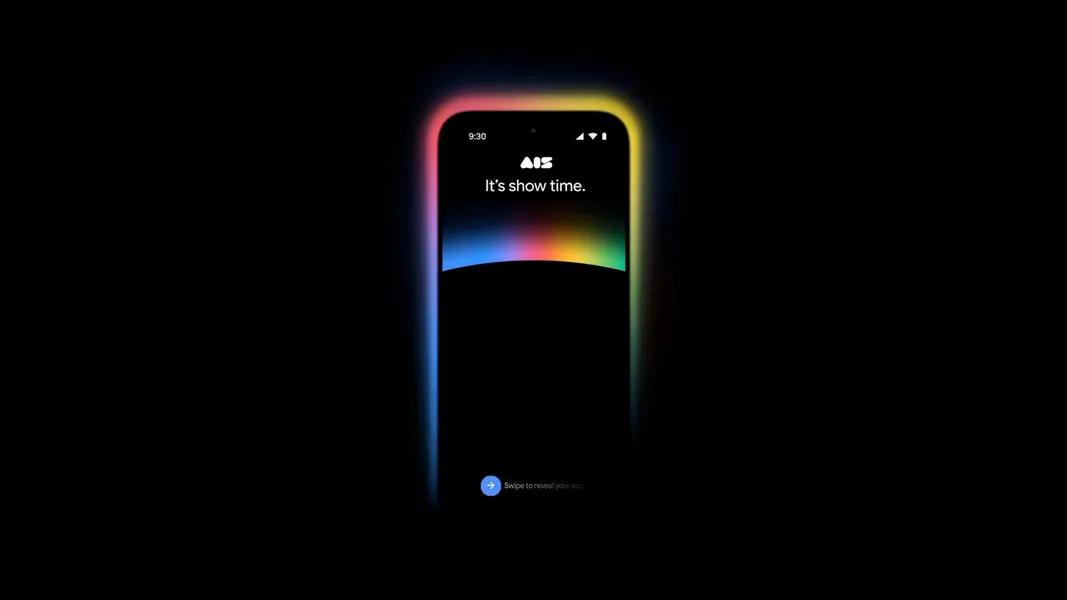
Google has canceled its standalone AI Studio mobile app despite roughly 800,000 pre-orders across Android and iOS. The company says the core capabilities will instead be integrated into the Gemini app across mobile and desktop, which changes the expected delivery model for Google AI Studio mobile tooling. The practical takeaway for builders is simple: the capability is still planned, but the product and rollout path are now uncertain. The cancellation and pre-order figure were reported from Google’s announcement.
Google is folding the unreleased app into Gemini
The canceled app was announced in May as a way for creators and developers to build, iterate, test, and publish AI-powered apps from a smartphone. Google also described app remixing and cross-device project syncing as part of the planned experience. Those features will not arrive through a separate AI Studio app.
Instead, Google says the AI Studio and Gemini teams are working together on a unified experience. The company’s stated reason is to avoid asking users to install another app, positioning Gemini as a central access point for its AI tools. That is a product consolidation decision, not evidence that the underlying app-building workflow is already available in Gemini.
What changes for AI builders
For founders and developers, the potential upside is a simpler entry point. If Google delivers the same build and testing workflow inside Gemini, users may have fewer app boundaries to manage while moving between mobile and desktop. A centralized surface could also make Google’s AI app development workflow easier to discover for people who already use Gemini.
The trade-off is roadmap uncertainty. A pre-order created an expectation around a specific app, but the replacement is now an unshipped feature inside a broader product. Teams planning prototypes around mobile-first Google tooling should therefore treat Gemini integration as a future possibility, not a dependency they can schedule against today.
Pre-orders do not guarantee immediate access
People who pre-registered on Android or iOS will not receive the standalone app. Google says the underlying experience will eventually arrive through Gemini, but no official rollout timeline has been disclosed. Independent coverage also describes the change as a cancellation despite more than 800,000 pre-orders.
There is also no disclosed information in the supplied material about compensation, replacement access, eligibility, feature parity, API behavior, data handling, or regional availability. Builders should avoid assuming that the Gemini version will expose every capability originally described for AI Studio mobile.
The decision rule is to keep current prototypes portable. Use documented and currently available interfaces where possible, and regard Google’s future unified AI tools on Gemini as a roadmap signal until the company publishes concrete capabilities and timing.
Sources
- Google is canceling an unreleased app after 800,000 people pre-ordered it
- I was one of 800,000 people who preordered this AI app before...
- Delidding an unreleased 56 Core Intel CPU - Sapphire... - YouTube
- Google Account
- Cancel, pause, or change a subscription on... - Google Play Help
- 800HP Mazdaspeed6 battles V8’s on the STREET! - YouTube
- Google Is Paying Publishers Five-Figure Sums to Test an Unreleased...
- Google developing all-in-one messaging app for... | AppleInsider
- Google Is Paying Publishers Five-Figure Sums to Test an Unreleased...
- If you want to cancel a subscription from Apple - Apple Support