China reframes open-source AI as development tool at UN AI for Good summit
Published by AINave Editorial • Reviewed by Ramit
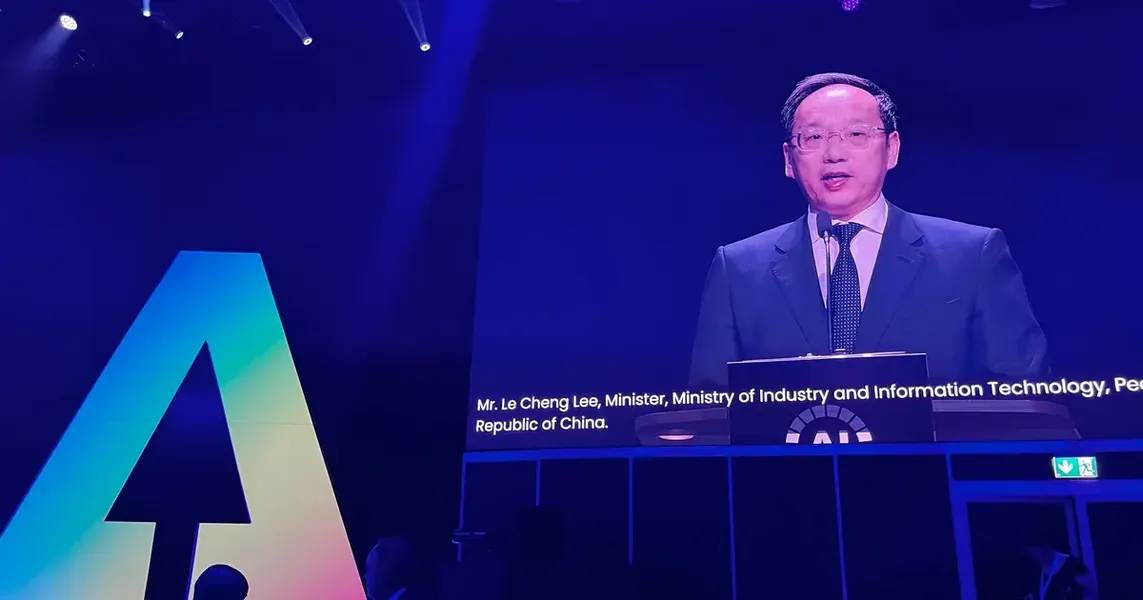
Chinese government officials used the UN AI for Good summit in Geneva to advocate open-source AI as a development tool for lower-income countries, presenting it as an alternative to restrictive and expensive US models. Yu Xiaohui, president of a Chinese government think tank, stated that "open source is good for all countries and all groups and all people, and I believe that is the right direction."
What happened
Beijing is leaning on its geopolitical allies to advance this vision, aiming to shape how AI is governed worldwide and position China as the developing world's AI partner of choice. The session included top officials from Russia and Pakistan, as well as Global South nations like Zambia and the Maldives. A recurring theme was that AI benefits should not be concentrated in a few rich nations.
Why AI builders should care
This policy framing matters for AI builders because it could influence international norms and funding for AI tooling that developers in developing regions can deploy locally. China's leading AI labs are already shipping models as downloadable open-weight packages, letting developers adapt and run them on their own hardware without negotiating commercial licenses. If this governance vision gains traction, it could affect licensing, deployment, and cost considerations for builders worldwide.
Practical implications
If adopted broadly, this framing could encourage countries to favor open-source AI deployments and regulate or negotiate access to proprietary models differently. Policy framing at international forums could influence how developers source models, potentially easing access for lower-income regions but also creating governance challenges. Chinese labs like DeepSeek and Qwen are already seeing greater adoption among developers, and data from Hugging Face suggests China has emerged as both a leading producer and user of open models.
Caveats
The evidence focuses on political framing and geopolitics rather than technical capabilities or new product announcements. There is no rigorous, independent benchmarking presented in the cited coverage to substantiate open-source models outperforming proprietary US options in practice. Additionally, reports indicate Beijing has spent the past month in quiet talks with its biggest AI companies about restricting who gets to use them, suggesting the open-source messaging may coexist with export controls.
FAQs
Sources
- China pitches open-source AI
- China pitches the world on open-source AI
- What’s next for Chinese open-source AI | MIT Technology Review
- China’s open-source bet: 10 Things That Matter in AI Right Now | MIT Technology Review
- OpenAI or Deepseek? Role of China’s open-source in the AI race - Rest of World
- Why China Is Winning The Open Source AI Race
- China May Be Following US Lead With Quiet Crackdown on AI Exports
- China's AI progress strains U.S. alliance pitch
- Exclusive-Nvidia working on new AI chip for China that outperforms the H20,...
- What Is DeepSeek, the New Chinese OpenAI Rival?
- China is winning the open source AI race — but a US company still controls everything underneath - The New Stack
- China pitches free AI for the developing world as the G7 debates who gets access to American models
- China’s platform economy is an AI deployment engine. The U.S. is still looking for its own.
- China says it's a responsible force in AI, but most Americans see US leadership...
- Anthropic's Fable shutdown is a big moment for open-source AI
- China pitches open-source AI - Yahoo