Microsoft Copilot’s Enterprise Strategy: An OS for Work
Published by AINave Editorial
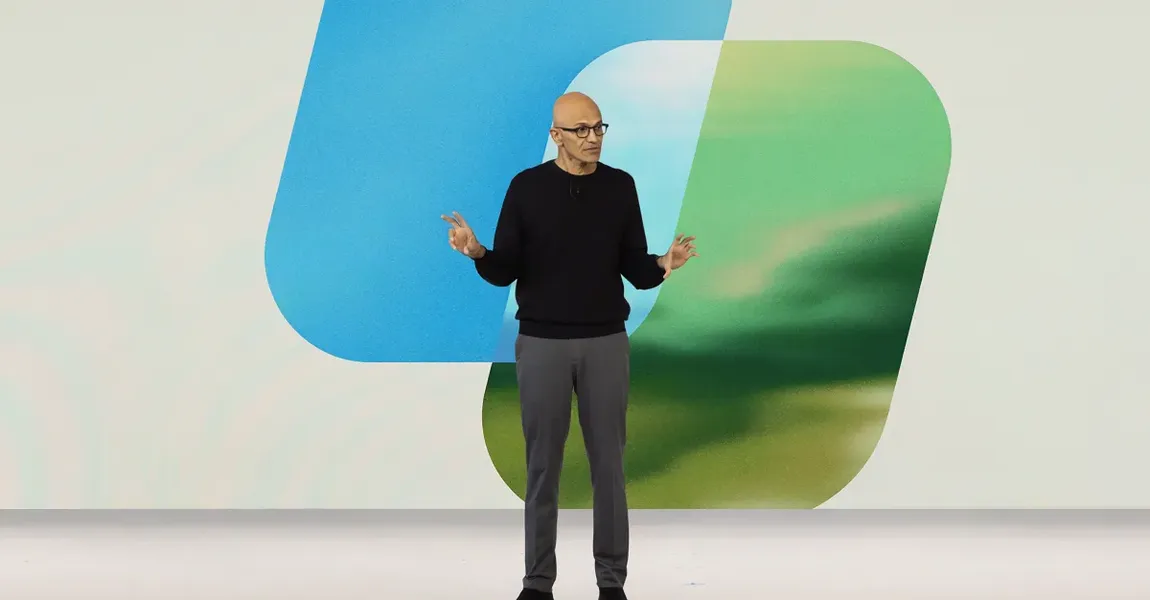
Microsoft is repositioning Copilot as an “OS for work,” bringing Office editing, coding and an AI agent into a unified app. The shift moves the center of Microsoft’s AI strategy from inserting features into Office toward making Copilot a place where work happens, but the company’s stated ambition to give organizations control is not yet evidence that agent risks are solved. Microsoft CEO Satya Nadella pitched the idea to enterprise customers.
Copilot becomes the work platform
Microsoft has spent the past few months combining its consumer and enterprise Copilot apps into a more unified interface. The redesigned app has separate areas for chat, coding and Autopilot, the AI agent. That structure makes Copilot less like a single chat window and more like a home for distinct work tools. The new interface brings those areas together.
The strategy also reverses the usual relationship between Office and AI. Rather than making Copilot primarily a feature inside Word or Excel, Microsoft is bringing Office into Copilot. Users will be able to create and edit documents without switching to separate Office apps; the reported interface includes a full ribbon and resembles Office on the web. The report describes editing inside Copilot.
That could matter most for tasks that move between asking an assistant for help and shaping a finished document. Keeping both in one interface may reduce context switching, though the report does not specify the feature set or timing for individual Office applications.
Agents make control the central test
Autopilot illustrates the gap between a product direction and a proven enterprise capability. Microsoft’s Scout desktop preview has reportedly moved into maintenance mode, while the cloud version has been rebranded as Autopilot. The app also has a coding area, but the report does not detail what its coding tools can do or how the agent behaves in specific workflows. The account describes the shift from Scout to Autopilot.
Microsoft’s leaders recognize why an agent can be harder to sell at work than a chat assistant. Copilot chief Jacob Andreou said agents’ autonomy and flexibility make them difficult to bring into enterprises and alarming to IT administrators. Nadella said organizations need control and that AI must not expose what makes a firm distinctive. These are design goals, not descriptions of specific safeguards. Both executives addressed enterprise control concerns.
That distinction is central to Microsoft’s pitch. An agent that can act with more autonomy may be useful, but that same autonomy raises the stakes for oversight. Microsoft previously received a lukewarm response to a $30-per-user-per-month Copilot subscription, according to the report; it gives no new pricing or evidence that the platform shift has changed buyers’ willingness to pay. The earlier subscription price and response are reported here.
Copilot’s redesign makes Microsoft’s bet clearer: users should move into a work platform that combines familiar Office tools with newer AI capabilities. Whether that platform earns trust in enterprise settings will depend on how its promised organizational control works in practice, not on the “OS for work” label alone.