China-Linked Hackers Targeted AI Policy Experts With Insider Impersonation
Published by AINave Editorial
Suspected China-linked hackers used the identities of familiar AI and policy figures to pursue email credentials from people shaping US AI policy, according to cybersecurity firm Proofpoint. The campaign targeted fewer than 10 people across a handful of organizations, including think tanks, universities and law firms, and focused on topics such as AI regulation and export controls (Proofpoint’s findings).
That narrow target set makes this different from a broad credential-harvesting blast. The apparent value was access to people and their policy work, not only access to AI technology: Proofpoint said the targeting suggested an intelligence interest in US policymaking, though that interpretation does not establish the operators’ ultimate goal (Proofpoint’s assessment).
Familiar names made the lures plausible
The group, which Proofpoint calls TA419, impersonated former White House technology official Lynne Parker and a senior Anthropic employee. In one February email, the supposed Anthropic employee asked a think-tank analyst for feedback on the military integration of Claude, then tried to obtain the analyst’s email credentials (details of the February message).
Other messages proposed AI-themed collaborations or policy initiatives. Some led to malware-laced documents; others directed recipients toward password-stealing websites. The choice of subject matter mattered: an invitation to discuss a policy project can seem credible to the very specialists whose knowledge and professional networks make them valuable targets (reported phishing methods).
Proofpoint also said it had observed the group trying to steal passwords from people at US and Japanese think tanks, defense contractors, universities and law firms since at least 2025. The more recent activity included attempts in February and July, so the campaign’s reported timeline spans more than one event (Proofpoint’s account of its observations).
Attempted access is not confirmed compromise
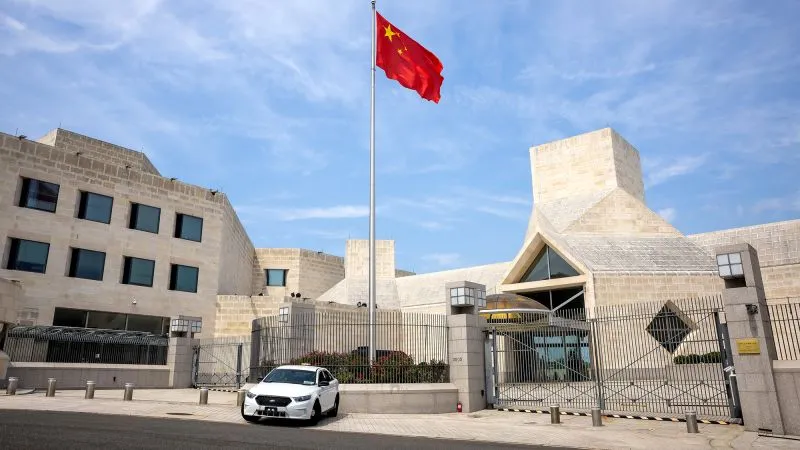
Proofpoint attributed the activity to a Chinese government-aligned actor based on the targeting, infrastructure and technical artifacts, with corroboration from industry partners. That is the firm’s assessment, not independent proof of who directed the operation. The reporting also says Beijing denies US hacking allegations (Proofpoint’s attribution and its stated basis).
The firm found no evidence that targeted organizations were successfully breached, while cautioning that it may have uncovered only part of the activity (breach finding and qualification). The distinction matters: the reporting establishes attempted credential theft, not confirmed access to victims’ accounts or policy discussions. Even without a documented breach, impersonating colleagues and former officials puts the trust behind routine professional outreach in play.