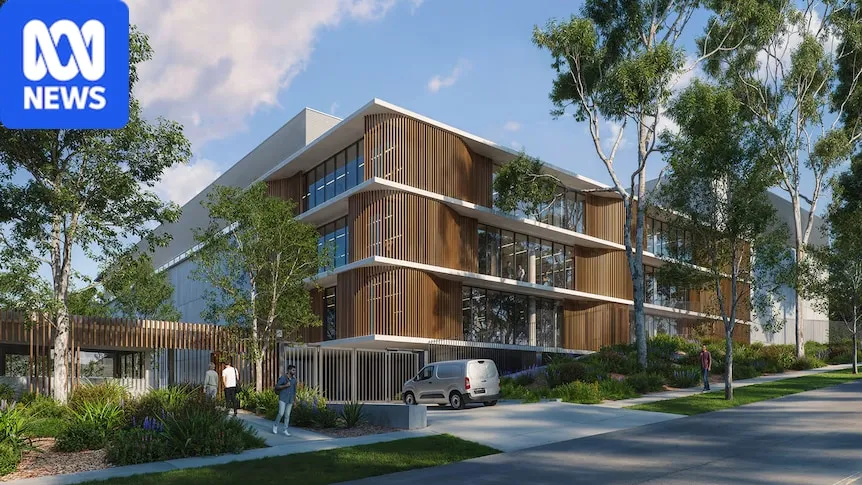
Lane Cove data centre project withdrawn by Goodman Group
Published by AINave Editorial • Reviewed by Ramit
Goodman Group has withdrawn its proposed $1.2 billion Project Mars data centre in Lane Cove, telling the NSW Department of Planning it would no longer proceed. The developer cited changes in the regulatory environment and feedback received through planning, including views from the local community. That makes the withdrawal a concrete example of how approval conditions and local acceptance can matter alongside demand for AI infrastructure, without showing that either factor alone drove the decision. ABC News reports.
A large proposal in a close residential setting
Project Mars was planned as a three-storey facility on Sydney’s north shore. The site was approximately 20 metres from the nearest house and 160 metres from Lane Cove West Public School. Community groups strongly opposed the proposal, and their representatives appeared at the first hearing of a federal Senate inquiry into data centres and artificial intelligence.
Those distances help explain why the project became a local flashpoint. The available reporting describes concerns about expected impacts but does not specify them in enough detail to pin the opposition on any one issue. What it does show is that a major infrastructure proposal can face scrutiny not only over its scale, but also over how closely it sits alongside established neighbourhoods.
Regulation is changing, but the rules remain unsettled
Goodman said it considered community feedback alongside significant changes to the policy and regulatory environment. The timing matters: NSW had introduced a fast-track program for data centres meeting certain requirements, while new federal rules were anticipated. The report gives no details of those federal rules and does not say the NSW program caused the withdrawal. The company’s stated reasons combined regulatory change with planning feedback.
That leaves a more specific lesson than “community opposition can stop projects.” Developers and governments are navigating two pressures at once: attracting investment in AI infrastructure and responding to public concerns about environmental impacts. A faster approval pathway may address some process friction, but this case shows that a pathway alone does not settle local questions about a proposed site.
The wider stakes are not limited to one development. Data Centre Australia warned that approval processes, supply-chain issues, physical access and social licence could affect Australia’s ability to attract projects. Project Mars does not establish how often community resistance will change an outcome, but it demonstrates that local feedback is part of the planning context developers must account for, not a separate issue that begins after approval.