Apple argues public YouTube videos were accessible for AI training and seeks to dismiss DMCA claims
Published by AINave Editorial • Reviewed by Ramit
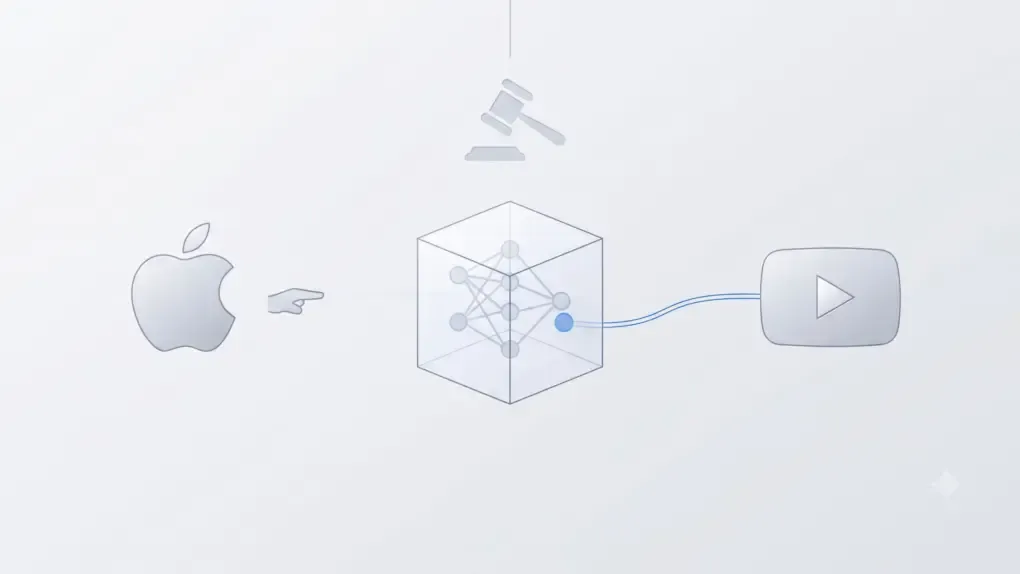
Apple is arguing that publicly available YouTube videos are fair game for AI training, and it wants a federal judge to dismiss a class-action lawsuit that claims the company illegally scraped millions of videos. The case could set a legal template for how “publicly available” content is treated in AI training, directly affecting how AI builders collect data for features like Siri and other assistants.
What happened
On July 1, Apple filed a motion to dismiss a class-action lawsuit filed in April by three YouTube channels: heheProductions, MrShortGame Golf, and Golfholics. The plaintiffs accused Apple of violating the DMCA’s anti-circumvention rules by scraping millions of their videos to train its AI models. Apple did not deny accessing the videos. Instead, the company argued that the videos were publicly accessible and that streaming a public YouTube video does not constitute illegal access under the DMCA.
“No password. No payment. No lock. No key,” Apple’s lawyers wrote, according to the court filing. They argued that YouTube’s anti-scraping tools govern the use of a video, not access to it, and the DMCA provision the plaintiffs are suing under only covers the latter. Apple is asking the Northern District of California to dismiss the case with prejudice, meaning the plaintiffs could not refile. Judge Richard Seeborg will hear arguments on August 6.
The same YouTube channels have filed similar lawsuits against Meta, Nvidia, ByteDance, and Snap. Apple is also defending its App Store rules in the Supreme Court against Epic Games and facing a UK class-action over iCloud pricing.
Why AI builders should care
This case is about the legal boundary of “publicly available” data for AI training. If Apple wins, it could become a standard defense for any company that scrapes public web content: if there’s no password or paywall, the DMCA’s anti-circumvention protections may not apply. That would lower legal risk for builders training models on public datasets like YouTube videos, social media posts, or public forums.
If Apple loses, the definition of “publicly available” could narrow, forcing AI teams to rethink data collection pipelines. The ruling could also affect how platforms like YouTube design their terms of service and technical safeguards, which would ripple into how builders access and use that data.
Practical implications
For now, the case is in early stages. The motion to dismiss is a procedural move, not a final ruling. But the legal argument Apple is making is sharp: it distinguishes between accessing a public video and circumventing a technical protection measure. Builders should watch this case closely because it could clarify what counts as “circumvention” under the DMCA when training AI models.
If you are collecting public data for AI training, consider documenting that the data was accessible without authentication or technical barriers. That documentation could become important if similar lawsuits arise. Also note that this case does not address copyright infringement directly; the plaintiffs are suing under DMCA anti-circumvention, not copyright. Separate copyright claims against AI training data are ongoing in other cases.
Caveats
This is a motion to dismiss, not a final judgment. The court has not ruled yet, and the plaintiffs will have a chance to respond. The outcome depends on how Judge Seeborg interprets the DMCA’s anti-circumvention provisions and whether he accepts Apple’s distinction between access and use. Similar lawsuits against other tech companies are also pending, so even if Apple wins, the legal landscape may remain unsettled for some time. The source evidence for this article is primarily from media reports; no official court documents are quoted here.
FAQs
Are publicly available YouTube videos legally usable for AI training?
Apple argues that publicly accessible YouTube videos are not illegal to view or access for AI training under DMCA anti-circumvention, because the videos were available without password, payment, or technical lock. This is a legal argument in a motion to dismiss, not a settled ruling. The court will decide whether this defense holds. Source
What is the DMCA defense Apple cites in the YouTube AI lawsuit?
Apple argues that the DMCA’s anti-circumvention provisions apply to access to a work, not to the use of a publicly accessible video. Since the videos were available to anyone without circumventing a technical protection measure, Apple contends that streaming them for AI training does not violate the DMCA. Source
What is the status of the Apple YouTube AI lawsuit and next court date?
Apple filed a motion to dismiss with prejudice on July 1. Judge Richard Seeborg will hear arguments on August 6 in the Northern District of California. The plaintiffs have not yet responded to the motion. Source
Who are the plaintiffs in the YouTube AI training lawsuit against Apple?
The plaintiffs are three YouTube channels: heheProductions, MrShortGame Golf, and Golfholics. They filed a class-action lawsuit in April 2026 alleging Apple scraped millions of their videos to train AI models. Source
Sources
- Apple's defense in AI lawsuit: those YouTube videos were public all along
- Apple’s defense in AI lawsuit: those YouTube videos were ...
- Apple Responds to YouTube AI Lawsuit, Wants Case Dismissed
- Apple asks court to dismiss copyright lawsuit by YouTube channels
- Apple Faces Lawsuit From Three YouTubers Over AI Video Scraping
- Apple says public YouTube videos can be used in AI lawsuit defense
- This week on "Sunday Morning" (Jan. 25)
- Apple’s defense in AI lawsuit: those YouTube videos were public...
- Meta Calls Out Quote Mining in AI Lawsuit Appeal - YouTube
- YouTube AI lawsuit: Apple rejects allegations | Apfelpatient
- Apple responds to YouTubers' AI lawsuit, seeks case dismissal
- Apple Responds to Lawsuit Filed by Three YouTube... - MacRumors
- YouTube AI Copyright Case: Apple Seeks Dismissal of AI Lawsuit...
Latest Tech News