The Viral Satire Behind the Barnes & Noble Break-In Rumor
Published by AINave Editorial • Reviewed by Ramit
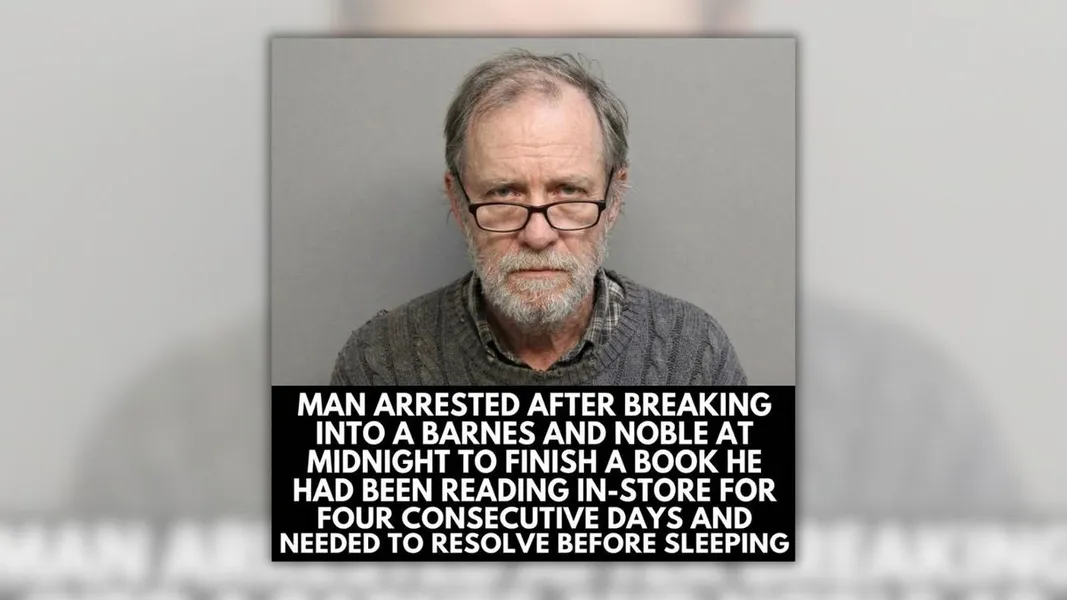
In April 2026, social media became a breeding ground for a rumor involving a man who allegedly broke into a Barnes & Noble bookstore to finish reading a book. The post, featuring a supposed mug shot of a man named Gary Hollis from Portland, Oregon, spread rapidly across platforms such as Threads, Facebook, Instagram, Reddit, TikTok, and X, capturing the imaginations of many. However, the story was completely fictional, crafted as a piece of satire by The Dude Humor Report.
The Fictional Story
The meme claimed that Hollis, 48, had been reading a thriller every afternoon at the store for four days. According to the satirical narrative, he could not sleep until he resolved the plot's climax. Despite the tale claiming he broke into the store through an emergency exit, the story was meant purely for comedic purposes and should not have been taken seriously.
As the story gained traction, Snopes began receiving queries from puzzled readers questioning its authenticity. In response to the escalating confusion, Snopes conducted an investigation that revealed the origins of the post trace back to The Dude Humor Report—an account infamous for its satirical content. This account clearly labels its stories as parody, a detail lost on some users who proceeded to share the meme as factual news.
The Role of Satire in Misinformation
Interestingly, satire can sometimes blur the line between fiction and reality, leading to misunderstandings. According to Mel, a person associated with The Dude Humor Report: "This one took off because it feels true. We've all been the person reading at a café at 10:58 PM wondering if we could just... live there. It's less 'viral hoax' and more 'universal fantasy.'"
The humor in Hollis's fictional dedication highlights how easily such ridiculous scenarios can resonate with individuals. Moreover, the account added hashtags such as #comedy, #satire, and #forentertainmentonly, in an attempt to help readers recognize the content for what it was—a joke.
Authority Sources and Cross-Checking
The key takeaway from this incident serves as a reminder regarding the importance of source verification in an era where misinformation can circulate rapidly. Users often overlook disclaimer notes on satirical accounts; thus, they may unwittingly pass false information onto others. Snopes found no corroborating reports from local news or authorities related to this supposed incident, affirming its fictional status. Additionally, a scan of the meme's image via Google's SynthID Detector confirmed that part of the image had been edited or generated with AI, further illustrating the synthetic nature of the visuals shared.
Conclusion
Ultimately, the viral story reflects broader issues within digital media literacy. Even easily identifiable satire can sometimes deceive the casual reader. As users navigate this complex information landscape, exercising caution, verifying sources, and understanding satirical content are crucial in preventing the spread of misinformation.