Agentic AI is shifting a growing share of inference workload to CPUs, causing wait-time spikes at AWS and prompting researchers to document CPU-GPU scheduling imbalances that can add 1.5x to 7x latency.
Retailers including Walmart, Ulta Beauty, and Wayfair are optimizing their sites for chatbot visibility as shoppers turn to ChatGPT and Google Gemini for product recommendations, while pushing back on data-sharing requirements that could weaken customer relationships.
Virginia has become the first state to impose a tax on data centers based on electricity consumption, targeting major operators like Amazon and Microsoft. The move, expected to generate up to $600 million in revenue, signals a broader policy shift as communities seek to capture value from AI infrastructure growth.
Alibaba's Qwen open-weight AI models have accumulated over 3 billion downloads in six months, surpassing Meta and Google and reshaping the open AI ecosystem for builders.
CRYPTO 2026, the first IACR flagship since NIST's post-quantum standards finalized in 2024, opens with 189 papers across ten volumes. A new neural network cryptanalysis track treats trained models as mathematical objects, with direct implications for AI model provenance and security.
Yelp has integrated its Reservations and Waitlist into ChatGPT, allowing users to book tables without leaving the chat. The move converts a content licensing deal into a transactional channel, raising questions about attribution and reporting for restaurant operators and advertisers.
Z.ai's GLM-5.3 delivers coding and cybersecurity gains from post-training alone, finding a serious vulnerability in Cursor. For builders, it shows post-training headroom but forces hard choices on access and safety.
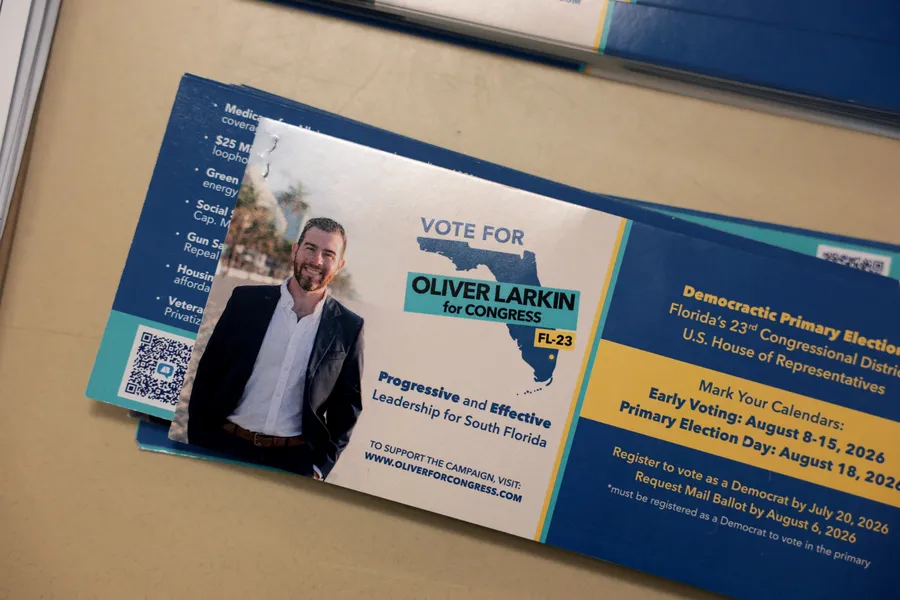
OpenAI-linked Think Big PAC spent $309,574 supporting Rep. Jared Moskowitz, a member of the House AI oversight subcommittee, in Florida's 25th District primary against DSA-backed challenger Oliver Larkin. The race reveals how AI industry money targets key congressional seats.
A university study found AI chatbots outperformed human scammers in a simulated pig-butchering scam, with 46% compliance vs 18%. The AI built trust through persistence and memory, raising concerns about scalable fraud and the need for better detection and safeguards.
A Startup.co.uk survey found 25% of SMB executives cannot explain their AI's outputs, while 85% use AI for sensitive financial tasks. The gap creates real GDPR and investor risk, signaling that AI explainability and audit trails are product necessities, not optional features.
The US State Department reportedly drafted a letter demanding 35 signatories of the AI Opportunity Statement choose between Pax Silica and China's rival AI framework. For AI builders, this could reshape access to models, chips, and critical minerals.