Nvidia DGX Spark 64GB: A Lower-Cost Local AI Option
Published by AINave Editorial
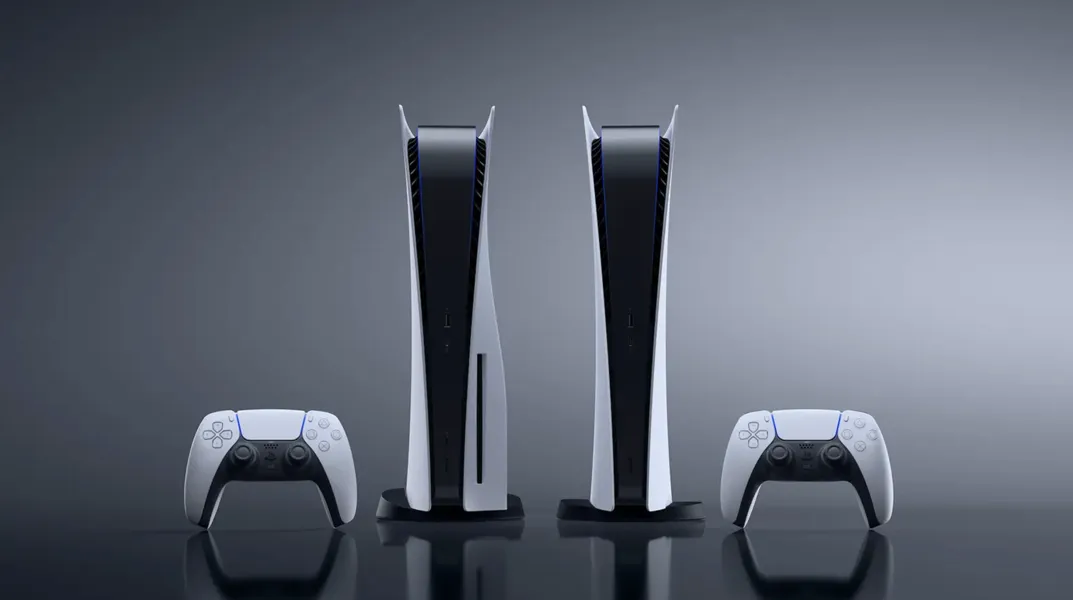
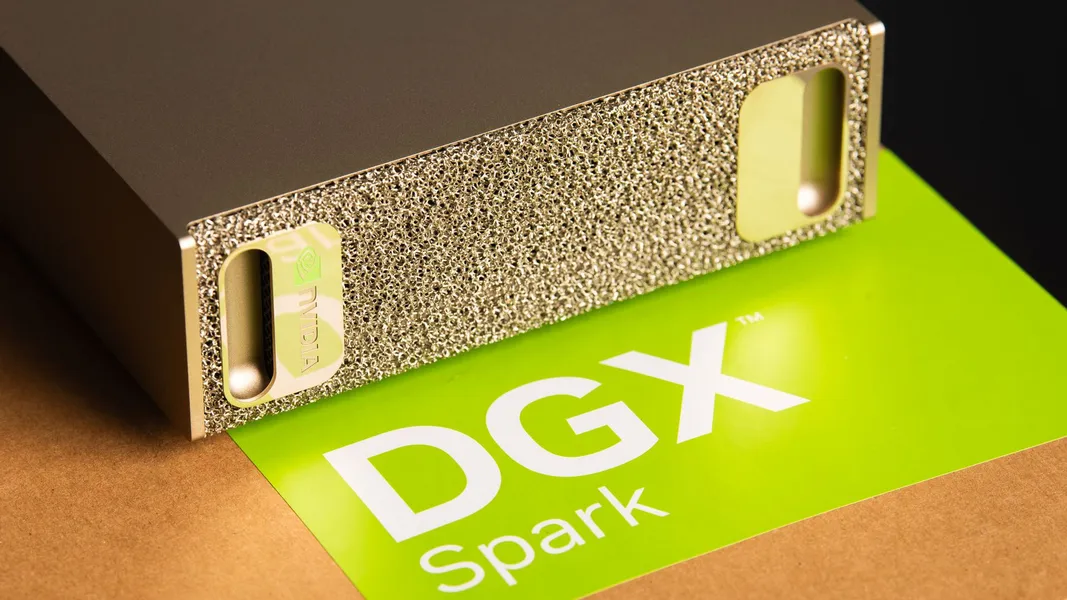
Nvidia’s 64GB DGX Spark makes the GB10 local AI system available with half the memory of the original configuration, not a different compute platform. OEM systems are reported to start at $4,999, but the practical choice turns on model memory needs and whether clustering is part of the plan.
The lower price comes with less memory, not a new platform
Acer, Asus, Dell, Gigabyte, HP and MSI are expected to offer 64GB GB10 systems starting at $4,999 when they launch October 23. The 64GB configuration retains the GB10 Grace Blackwell Superchip, DGX OS and Nvidia AI software stack, according to CGMagazine.
That is a lower entry point, but not a budget workstation. Tom’s Hardware reported that available 128GB GB10 systems were selling for roughly $7,000 to $9,000 at the time of its October 2 article, and warned that volatile memory and storage prices could change what buyers pay. Those figures describe reported market pricing, not a fixed price comparison.
Model fit matters more than the headline capacity
The useful case for 64GB is local inference where the model and its context fit. Tom’s Hardware says Qwen 3.8 27B can fit within 32GB of RAM, albeit with limited context. That example helps explain why every local inference setup may not need 128GB. It does not mean every model of a similar parameter count will have the same memory requirements.
The 128GB system remains the roomier option for larger models, scaling headroom and memory-intensive work such as fine-tuning. CGMagazine reports that the platform can run models up to 100 billion parameters on-device, but that broad capability claim does not establish useful performance or context for every such model on the 64GB configuration.
Clustering can add capacity, with a configuration catch
Both versions retain ConnectX-7 networking. CGMagazine reports that two 64GB systems can pool memory to 128GB, while Nvidia’s Sync Cluster Assistant helps detect connected units and configure the network. The same report says the assistant supports up to four systems when using a network switch, a different setup from the direct two-system connection.
There is also an important limit for mixed clusters: combining a 64GB and a 128GB system reportedly leaves the cluster with 64GB of memory. CGMagazine reports up to 1.7 times the performance of a single unit for a clustered setup and, in Nvidia’s Qwen 3.8 27B testing, up to 70% higher performance than one 128GB system. Those are reported results for particular setups, not performance guarantees across workloads.
Nvidia’s Sync Model Launcher is also described as simplifying model downloads and launches, including Qwen 3.8 27B, and connecting the workflow to the browser-based OpenCode coding agent. The central trade-off remains straightforward: the 64GB model lowers the reported starting price, but cluster plans and memory-heavy workloads can make that reduced capacity matter quickly.