Evolving Standards: AI Changes the Game for Digital Communication
Published by AINave Editorial • Reviewed by Ramit
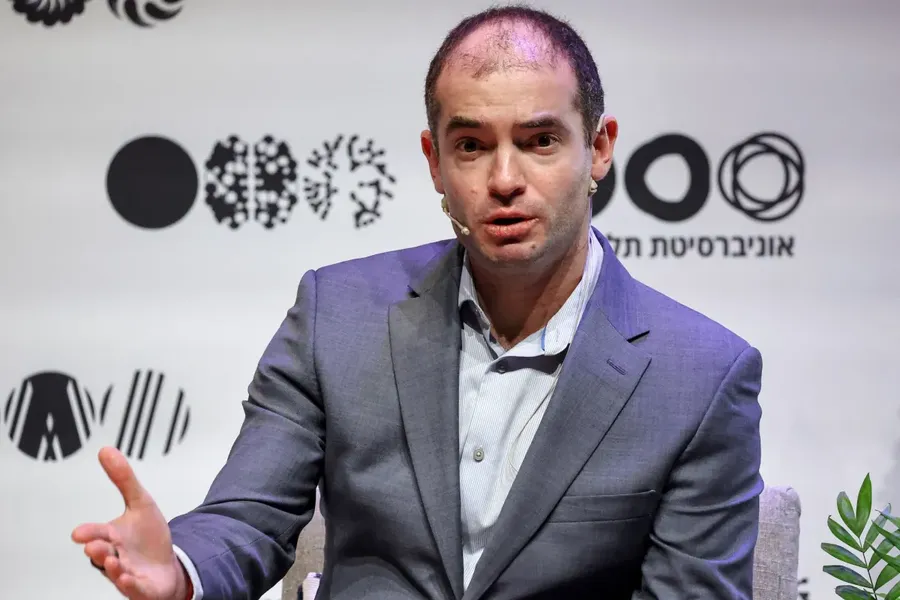
In a surprising shift from traditional digital communication norms, a new AI tool created by Ben Horwitz introduces intentional typos to emails, promoting authenticity over linguistic perfection. This counterintuitive development challenges the longstanding belief that flawless writing signifies professionalism. Instead, users are now encouraged to embrace imperfections, which have become increasingly identified as hallmarks of genuine communication. As generative AI continues to reshape writing standards, this trend raises essential questions about trust and the role of technology in content creation.
The Anti-Grammarly Tool: A Paradigm Shift
Ben Horwitz, a partner at Dorm Room Ventures with ties to Harvard Business School, has developed an 'anti-Grammarly' tool that injects mistakes into emails. While tools like Grammarly are designed to eliminate errors, this new approach vehicles the idea that polished writing may lack the human touch. As generative AI increasingly permeates digital communication, this tool allows writers to control the level of human-like imperfections embedded in their communications.
Interestingly, as researchers examine this phenomenon, the perception of what constitutes 'good writing' is being transformed. Initially viewed as a marker of professionalism, perfection in writing is now being associated with automation, creating a new dynamic in communication. Consequently, detecting the author—whether human or machine—becomes a complex challenge. If perfect grammar signals that a message was generated by an AI, individuals may adjust their writing styles intentionally to appear more genuine, leading to shorter sentences and more informal phrasing.
The Trust Dilemma in AI Communication
With the emerging trend of 'anti-perfection', trust in both human and AI-generated writing faces heightened scrutiny. If both styles can be generated by advanced AI, distinguishing between authentic human touch and machine-generated content becomes increasingly arduous. This blurring might prompt a reevaluation of communication ethics and transparency, emphasizing the need for clear guidelines on AI usage in professional writing contexts.
Microsoft and Google's Tech Updates
Alongside this evolving narrative in writing standards, significant changes are also underway at tech giants Microsoft and Google. Microsoft is revamping its Windows Insider Program to streamline testing processes and address user concerns regarding complexity and control. This move represents one of the largest structural adjustments in years, underscoring Microsoft's desire to improve collaboration with its user community.
Equally noteworthy is Google's NotebookLM, which now provides automatic source labeling and categorization, enhancing research efficiency. By activating these features after five or more sources are loaded into a notebook, users can better manage their documentation, addressing a common frustration among researchers.
As these companies evolve, it is clear that the relationship between AI technology and user experience is paramount. The ongoing dialogue around digital communication reflects a cultural shift where authenticity may soon hold greater weight than perfection.
Ultimately, as AI tools continue advancing, future iterations may not only generate text but also customize tone, style, and errors that fit particular contexts and audiences. The challenge lies not in eliminating flaws but in discerning which ones retain the essence of authentic communication.