China's Mobile Nuclear Reactor: The Future of Power for AI Data Centers
Published by AINave Editorial • Reviewed by Ramit
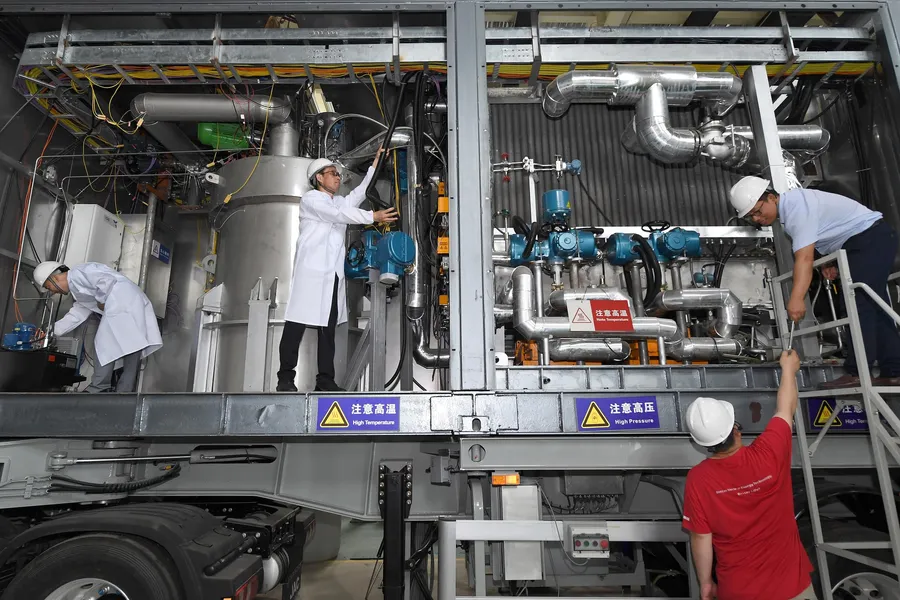
China is on the verge of a significant energy breakthrough, actively testing the world's first 10MW vehicle-mounted nuclear reactor, designed specifically to meet the increasing electricity demands linked to artificial intelligence (AI). This innovative power unit promises to sustain medium-sized AI data centers for decades without the need for frequent recharging, presenting an alternative energy solution aimed at phasing out traditional coal and diesel generators.
The Significance of Mobile Nuclear Technology
As global demand for AI computing escalates, China recognizes the need for reliable energy sources to support this growth. Traditional grid systems are often unable to meet the requirements of massive data processing capabilities, making innovations like this mobile nuclear reactor crucial. Developed over several years, the reactor can be easily transported to remote areas, equipped with unreliable grid connections, thus addressing significant energy gaps.
According to Wu Yican, chief scientific advisor at the Institute of Nuclear Energy Safety Technology, the project reflects a new era in nuclear power. Wu describes the reactor as a "nuclear power bank," highlighting its durability and adaptability. This mobile solution is projected to alleviate "battery anxiety" for various applications, including remote islands, emergency backup power, and potential shipping uses.
Impacts on Energy Infrastructure
Currently, China operates 59 commercial nuclear units, generating approximately 467.7 billion kilowatt-hours annually, which constitutes about 4.82% of the nation’s power needs. This statistic underlines China’s commitment to increasing its nuclear energy capabilities amidst surging electricity demands from AI developments. Additionally, tech giants are adopting nuclear power at a rapid pace to support infrastructure for their ever-expanding operations. For instance, Amazon plans to construct twelve small modular reactors capable of generating nearly 1GW of energy.
Conversely, companies like Google are also investing in nuclear solutions, with plans for a small reactor in Tennessee. Meanwhile, Microsoft is exploring options that include engaging with legacy nuclear plants for revitalization.
Broader Applications of Nuclear Technology
Beyond just energy generation, the push for portable nuclear systems extends to healthcare as well. The integration of nuclear technology into medical practices holds potential for creating advanced diagnostic tools amid a growing cancer crisis in China, with over five million individuals diagnosed annually.
Wu emphasizes that advancements in nuclear technology can significantly enhance treatments, offering substantial social and economic benefits.
Conclusion
With the pressing demands of new technologies like AI and the inadequacy of current energy setups, China’s mobile nuclear reactor represents a timely innovation. This reactor not only seeks to address the immediate challenges of energy supply but also signifies a strategic shift towards sustainable, clean energy solutions that could deeply influence various sectors, ensuring a reliable future as we confront ever-changing technological landscapes.