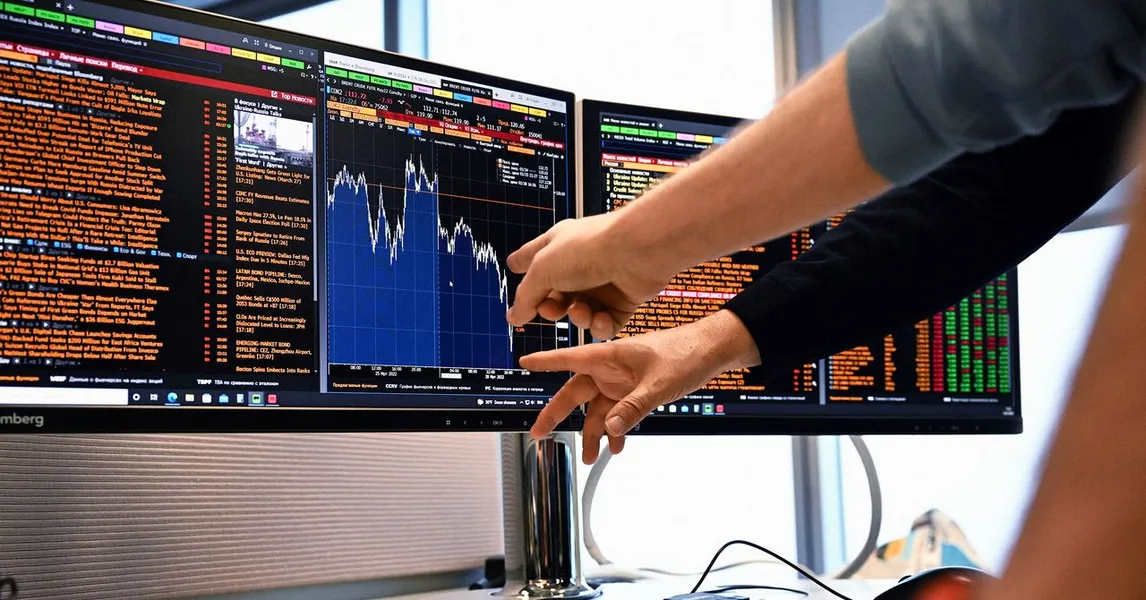
Bloomberg's AI Overhaul Aims to Transform the Terminal Experience
Published by AINave Editorial • Reviewed by Ramit
The Evolution of the Bloomberg Terminal
Bloomberg is launching ASKB, an innovative AI interface for its renowned Terminal, set to redefine how finance professionals access and analyze data. This transition responds to the growing challenge of managing vast data volumes, as users face information overload and a demand for more streamlined analytical processes.
The Driving Force Behind ASKB
Bloomberg CTO Shawn Edwards emphasizes that for years, the Terminal has evolved but now requires a new approach to help users sift through immense datasets effectively. With ASKB, users can pose high-level investment theses and receive tailored insights instead of merely retrieving specific data points. As of April 2026, the beta version is available to about 125,000 of the Terminal's 375,000 users, though Bloomberg has not designated a timeline for full release.
How Will ASKB Change User Interactions?
ASKB is designed to serve as the primary interaction interface with the Terminal, allowing users to submit natural language queries akin to asking for insights. For instance, traders could inquire, "How will developments in Iran and oil prices influence my portfolio?" This capability seeks to enhance speed and accuracy in trading decisions, enabling users to quickly derive insights from complex queries without wading through extensive data. Edwards highlights that this advancement also involves creating workflow templates to automate repetitive tasks that once fell to junior analysts.
Addressing Concerns About Reliability
Despite the innovations introduced by ASKB, concerns about data accuracy persist. Edwards notes the necessity of validation checks to minimize AI 'hallucinations,' where the system generates incorrect information. Bloomberg's approach includes rigorous checks at every step, ensuring that the answers provided correspond to reliable data sources. This is particularly critical in finance, where decisions based on faulty information can lead to significant financial repercussions.
What Does This Mean for Analysts?
While ASKB promises to assist experienced analysts in honing their research capabilities, Edwards warns that it does not substitute for expertise. The ability to derive insights will still depend heavily on the analyst's foundational understanding and innovative thinking. As ASKB becomes more prevalent, there's an ongoing need to train and educate junior analysts to effectively utilize such tools while maintaining the traditional skills that underpin effective financial analysis.
The Future of Trading Technology
With the introduction of ASKB, Bloomberg reaffirms its commitment to remaining at the forefront of financial technology. While its loyal user base may initially resist this change, the integration of AI is poised to make data handling less cumbersome, potentially elevating trading strategies. This upgrade seeks a balance between leveraging AI assistance and preserving the user’s ability to comprehend and manipulate datasets directly.
The innovative ASKB interface highlights a significant shift in the finance sector's approach to technology, merging traditional skills with modern tools. As AI continues to shape the industry, professionals must adapt to maximize the benefits of this groundbreaking approach, ensuring they remain competitive in a fast-evolving landscape.