Apple's 2026 Product Farewell: Discontinuing Legacy Devices and Embracing New Innovations
Published by AINave Editorial • Reviewed by Ramit
As Apple approaches 2026, the tech giant announces the discontinuation of 14 legacy products, highlighting a strategic shift in its hardware lineup while introducing new budget-friendly options. Notable products slated for the chopping block include the original iPhone 16e, first-gen AirTags, and M4 MacBook variants, as well as older iterations of high-end devices like the Mac Pro and Pro Display XDR. This transition underscores Apple's ongoing commitment to innovation and efficiency in a rapidly evolving tech landscape.
The Legacy Devices Being Retired
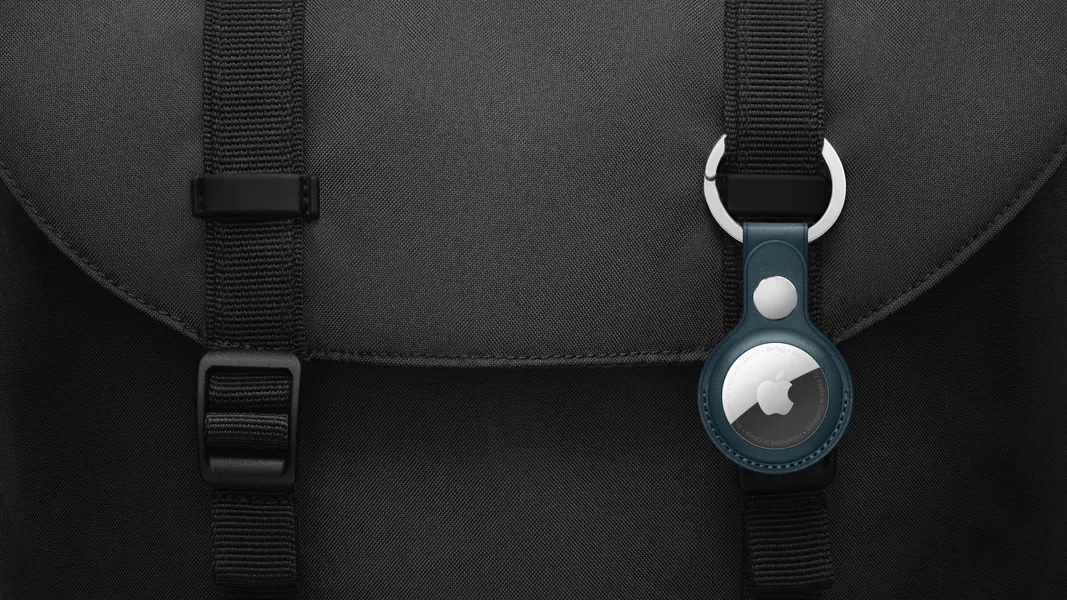
In 2026, Apple will officially retire several devices, marking a significant change in its product offerings. The first-gen AirTags, which played a crucial role in enhancing user connectivity since their launch, will be discontinued in favor of second-gen models that promise a wider range and more advanced features. Additionally, the iPhone 16e, which catered to budget-conscious consumers, will cease production as Apple continues its trend of removing older budget models from retail channels upon the introduction of new ones.
Moreover, the M4 MacBook Air and MacBook Pro M4 models will also vanish from Apple's site to make way for newer hardware offerings like the M5 MacBook models. This phase-out reflects Apple's strategy to maintain focus on their latest technologies while regarding previous generations as obsolete. Support for these products will generally taper off by as early as 2030, pushing consumers toward recently released iterations or refurbished options.
What Does This Mean for Users?
Q: How will the discontinuation affect current users of older devices?
A: While users will still find parts and support through third-party service providers, the lack of direct support from Apple means that many may face significant challenges upgrading or repairing their older devices. Given Apple’s tradition of supporting devices for several years, it's notable that models such as the iPad Mini 4 and Apple TV HD will officially be marked as obsolete in 2026, prompting a reassessment of their usability moving forward.
Q: Are there upgrade paths for those with discontinued devices?
A: Yes, several third-party solutions exist, including the OpenCore Legacy Patcher and Asahi Linux, which provide users with alternatives for older Macs that have lost official support. Such continuous software paths may allow users to maximize the usability of these devices well past their official lifecycle.
The Evolution of Apple Products
Q: What new models are being introduced to replace discontinued devices?
A: Apple will unveil budget-friendly versions like the iPhone 17e and the M4 iPad Air, along with second-generation AirTags set to enhance user experience with upgraded tracking features. Apples’ strategy appears to cater to a market increasingly focused on affordability and performance, ensuring that even budget-tier devices maintain a high standard.
Q: What should consumers consider for the future of their Apple devices?
A: As Apple pivots towards new technologies, consumers should evaluate their device needs with an eye on longevity and support. Investing in current-generation products is advisable given Apple’s historical support timelines, ensuring continued access to updates and repairs.
In conclusion, Apple's impending changes set a tone for a future that seeks to enhance user experience through cutting-edge technology while encouraging consumers to embrace newer innovations as legacy devices become obsolete. As the tech landscape shifts, navigating this transition will involve adapting to new models and reconsidering dependency on older hardware.