AI Tool Sparks Ethical Dilemma at Arizona State University Amid Conspiracy Theory Buzz
Published by AINave Editorial • Reviewed by Ramit
In recent developments, Arizona State University (ASU) has ignited a fierce debate among faculty regarding the implications of an AI-powered tool designed to generate lesson content by scraping professors' lectures without their consent. This tool's controversial rollout not only raises significant ethical issues but also coincides with a burgeoning conspiracy theory surrounding a peculiar stock image related to the White House Correspondents’ Dinner.
The AI Tool Controversy
Underlying faculty concerns, ASU's introduction of this AI tool, which automates lesson generation, has triggered widespread alarm about surveillance in academia. Critics argue that the software erodes academic freedom and intellectual property rights, as many professors discovered their lectures were being altered and redistributed without their knowledge. This infringement has led to questions about the future of teaching and the meaning of consent in the digital age.
Moreover, this situation reflects a growing trend where educational institutions are increasingly reliant on AI technologies, often at the expense of faculty autonomy. ASU’s initiative exemplifies a shift toward prioritizing technological advancements over the personal rights of educators. As more universities explore similar tools, the implications for faculty trust and academic integrity become increasingly concerning.
The Viral Conspiracy Theory
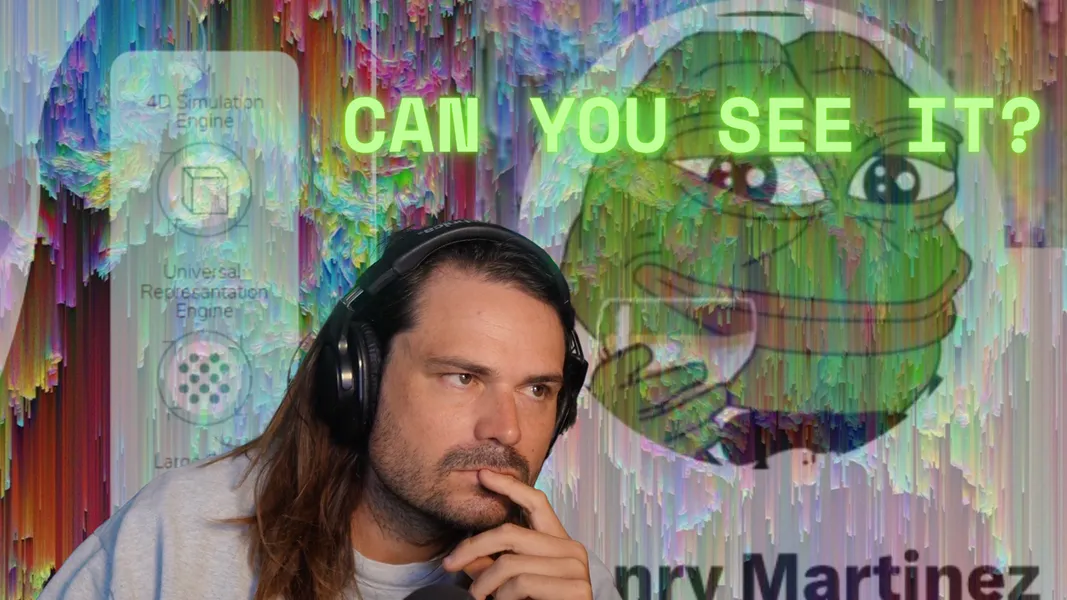
Compounding the issues raised by the AI rollout is a quirky conspiracy theory regarding a trippy stock image that gained traction after being shared during the White House Correspondents’ Dinner. Some internet users proposed that the image contained clues suggesting it originated from a time traveler. Although this speculation is widely debunked, it captured public imagination and highlights how misinformation can proliferate in the digital realm.
This analogy of conspiracy theory echoes the uncertainties surrounding AI technologies in academia, prompting a wider discussion about consent and authenticity in both fields. As echoed in a recent podcast, the juxtaposition of a viral image and the introduction of potentially intrusive AI tools begs the question of how technology should responsibly intersect with trust and ethics in education.
The Bigger Picture: AI Ethics and Machine Consciousness
Adding another layer to the discussion, conversations about machine consciousness have been reshaped by new findings from a Google-affiliated scientist. This research argues that large language models (LLMs) like the ones utilized in ASU’s AI tool will never reach true consciousness. This claim emphasizes the ethical responsibilities that educators and institutions hold when deploying AI technologies in the academic environment.
The discourse surrounding AI tools in education cannot be separated from broader ethical concerns about surveillance and intellectual property. As stakeholders grapple with these overlapping challenges, university administrations must prioritize transparency and engage faculty in discussions that address both the technological benefits and the potential risks associated with AI.
In light of these developments, it is evident that ASU's case serves as a critical reminder of the need for ethical governance in academic technology. Without careful consideration of the implications of AI tools, universities risk undermining the very foundations of trust, autonomy, and integrity in higher education.