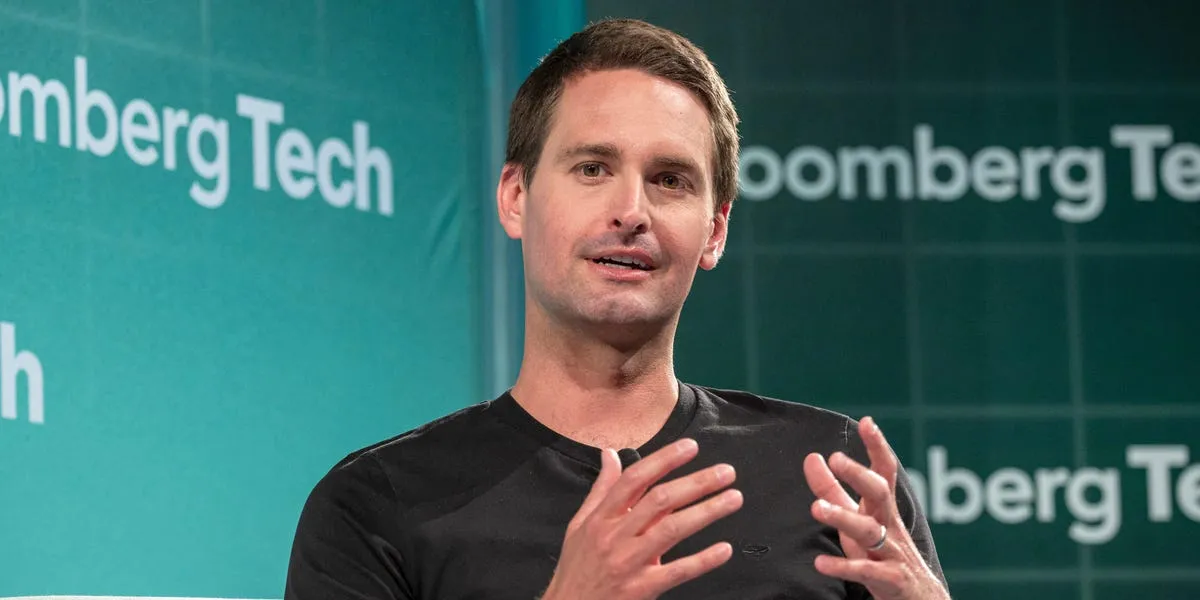
AI Revolutionizes Software Development: Snap's CEO Predicts Shift in Business Strategy
Published by AINave Editorial • Reviewed by Ramit
In a recent episode of the "Cheeky Pint" podcast, Snap CEO Evan Spiegel articulated a significant transformation in the technology sector driven by AI. With more than two-thirds of new code at Snap now generated by AI, specifically tools like Anthropic's Claude, the landscape of software development is evolving rapidly. Spiegel highlighted the extraordinary rate of advancement in AI tools which, he believes, is reshaping operational strategies across companies.
The Impacts of AI on Software Development
Spiegel emphasized that the integration of AI into coding processes is not merely an enhancement but a complete transformation. "Claude is transforming software development, full stop, at Snap in every part of our organization," he stated, underscoring the broad implications of this technology. As the complexity of coding diminishes, companies like Snap may reduce their investments in engineering, reallocating funds toward distribution channels to ensure products effectively reach consumers.
Shifting Business Priorities
According to Spiegel, the increasing efficiency in software development brings about a pivotal shift in resource allocation. As the ease of building software improves, Spiegel predicts that firms will start to direct more investment into marketing and distribution strategies. He noted, "I think people are going to reallocate more resources away from things like software engineering, for example, to distribution in order to grow faster."
This foresight aligns with trends observed in other major corporations in the technology realm. Major players, including Amazon and JPMorgan, are leveraging AI for automating aspects of coding and streamlining operations. This strategy minimizes bottlenecks and fosters more robust competition for consumer attention amid a saturated digital market.
Navigating a Competitive Landscape
As brands strive to carve out visibility in a crowded field, Spiegel pointed to the increasing value of brand awareness and traction. "It's hard as a brand today to get visibility, to get traction," he noted. This signal illustrates an essential shift: as AI facilitates coding, the real challenge for companies may become successfully navigating consumer engagement and perception.
Q&A: Insights into AI's Effect on Business
How is AI changing coding practices at Snap?
AI, especially through tools like Claude, automates significant portions of coding, allowing Snap to allocate more resources to distribution rather than software development.
What does Spiegel predict for the future allocation of resources in businesses?
He forecasts a trend where companies will divert investments from software engineering toward distribution to enhance market presence and expedite growth.
Conclusion
This evolution in resource allocation reflects a deeper transformation occurring within the business landscape, as companies prioritize the ability to capture consumer attention while embracing technology that simplifies development processes. As Snap embraces these changes, it stands as a harbinger of a broader shift, one that could define the future of technology and market strategy.