AI Revolutionizes Computer Science Education in Texas Amid Job Market Struggles
Published by AINave Editorial • Reviewed by Ramit
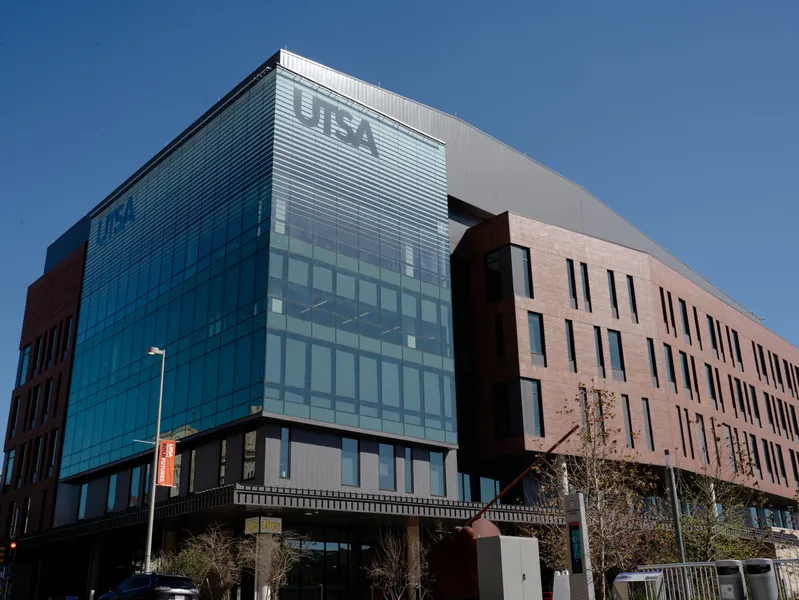
As artificial intelligence reshapes industries, Texas universities are at the forefront of modifying computer science education to meet the evolving demands of the job market. Notably, the University of Texas at Austin, the University of Texas at San Antonio, and Baylor University are responding to a significant 20% drop in computer science program admissions, reflecting broader national trends amid fears of AI-driven job displacement.
Students today face higher anxiety regarding their futures, as seen in a recent report indicating an unemployment rate of approximately 7% for new graduates in computer science and computer engineering. This stark realization comes on the heels of a previous era when tech graduates enjoyed numerous job offers and lucrative starting salaries, raising questions about the security of a degree once considered a ticket to a stable career.
The Job Market and AI's Impact
In recent years, hiring in the tech sector has slowed significantly. Post-2022, job postings for software development roles declined sharply, driven by economic uncertainties and high inflation. Columbia University's Derek Do, a junior computer science major, summarises this shift: “The industry took it seriously, but a lot of the students didn’t.” The once-certain path to a thriving tech job has become fraught with anxiety as competitive pressures mount and AI capabilities advance at a rapid pace.
Curriculum Innovations
Recognizing the profound changes within the tech industry, universities have initiated significant curriculum revisions to incorporate AI's influence across computer science. Professors Peter Stone from UT Austin, Fred Martin from UTSA, and Jean Gao from Baylor have discussed their proactive approach, emphasizing the integration of AI courses to equip students with necessary skills.
As Pat Patki, a spring 2025 graduate from UT, illustrates, the stakes are mountainous. After landing an internship at a cybersecurity firm, Patki became acutely aware of AI's disruptive potential when he faced a layoff due to company restructuring. “AI was essential to my work,” he explains, highlighting the importance of adapting to new tools that change job functions. Despite facing rejection from numerous companies, Patki secured a position as a machine learning engineer at Paypal, learning to navigate the new landscape.
Student Perspectives
Vivian Tran, a senior at UTSA and president of the campus's Association for Computing Machinery chapter, supports this narrative, stating that many of her peers now consider graduate studies before entering a challenging job market. “It’s harder to get jobs, but it’s not impossible,” she notes, sharing her extensive application experience and recognition of the heightened demand for candidates with AI expertise.
Gradually, students are transforming their approach to education. Danielle Nyame, a freshman at UT, expresses optimism for working at the intersection of business and social justice while leveraging AI tools. She states, “AI will not be able to take over every single aspect of this field, but it will aid the work.”
The Evolving Landscape of CS Careers
Traditional wisdom suggests that a computer science degree would guarantee a desirable job, but the academics stress that adaptability is more critical than ever. While AI poses threats to specific roles, professors argue its trends may alleviate labor demands by enabling businesses outside traditional tech spheres to integrate technology efficiently.
Professors Gao and Stone emphasize the need for students to remain distinctive in their skills and experiences, as many candidates have similar technical backgrounds. This creates a baseline requirement for students to differentiate themselves as they enter the changed job market.
In summary, Texas universities recognize the critical challenge posed by AI to their computer science programs and are innovating educational practices to equip students for both immediate and long-term success in a transformed landscape. Through strategic curriculum changes, ongoing industry discussions, and an emphasis on practical skills, they aim to prepare a new generation of tech professionals for the volatile job market ahead.