AI Investment Powers US GDP Growth Amid Mixed Consumer Signals
Published by AINave Editorial • Reviewed by Ramit
The Q1 2026 economic landscape reveals a notable 2% rise in US GDP, primarily propelled by significant investments in artificial intelligence. While consumer spending softened, contributing less to overall growth, private business expenditures dominated the economic expansion. This shift underscores a potentially transformative phase for the US economy, positioning AI investments as central to future growth.
What Fluctuations Marked this Economic Report?
The data for the first quarter, released on April 30, 2026, indicates that inflation pressures reached their highest levels in nearly three years as of March. Consumer sentiment appears to falter, with spending dipping slightly during this period. Given these mixed signals, rising gas prices stemming from ongoing geopolitical tensions associated with the Iran war have raised concerns about future consumer behavior. However, the burgeoning AI sector may counterbalance these effects, creating a complex but potentially advantageous environment for the economy.
How Significant is AI Investment to GDP Growth?
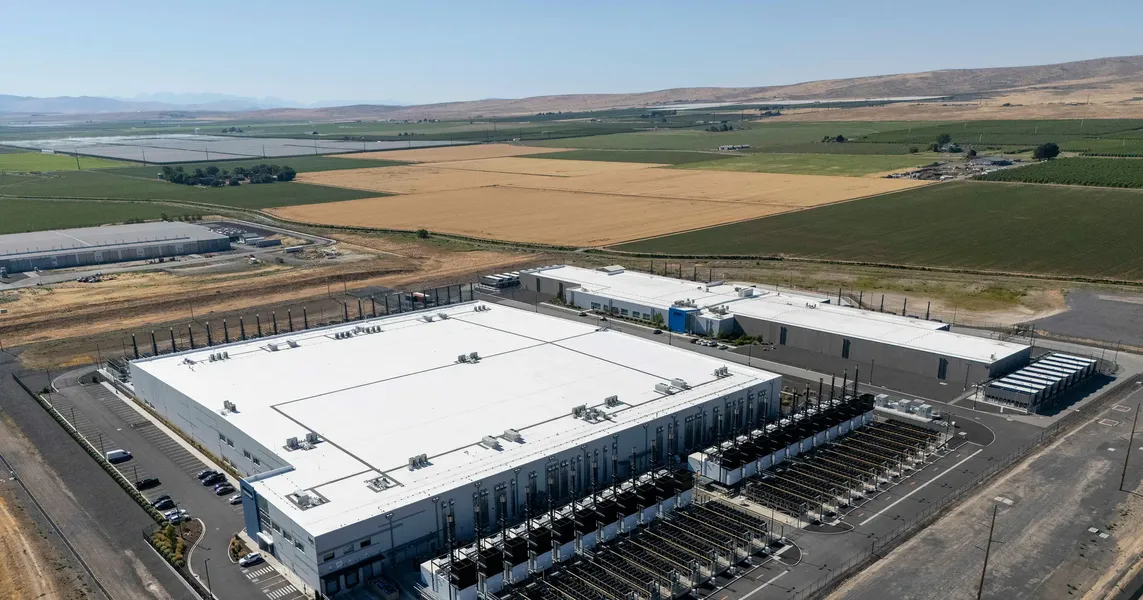
AI investments have emerged as a primary driver for economic growth in the US, with private enterprise spending outperforming consumer expenditures in the first quarter. Industry analysts note that hyperscaler companies are pledging to increase their AI-related spending significantly. According to the latest figures, these private investments could sustain the momentum of economic expansion amidst uncertain consumer spending patterns.
What Future Trends Should We Expect?
Analysts suggest that we may be observing a structural transformation in how the US economy functions. AI investment, particularly in infrastructure and software, could reshape the traditional growth drivers. The divergence between Wall Street forecasts and actual economic performance highlights the need for adaptive measures in policies and strategies aimed at bolstering the economy, especially as the winds of geopolitical change blow through the energy sector.
In summary, while challenges remain evident, including softening consumer demand and rising inflation, the accelerating investments in AI infrastructure signal a promising pivot point for the US economy, positioning it for sustained growth despite looming headwinds.